
You Won’t Believe How Easy This Crispy 8-Hour Rosemary Focaccia Is
High-hydration, crisp around the edges, impossibly soft in the center, and ready in time for dinner.
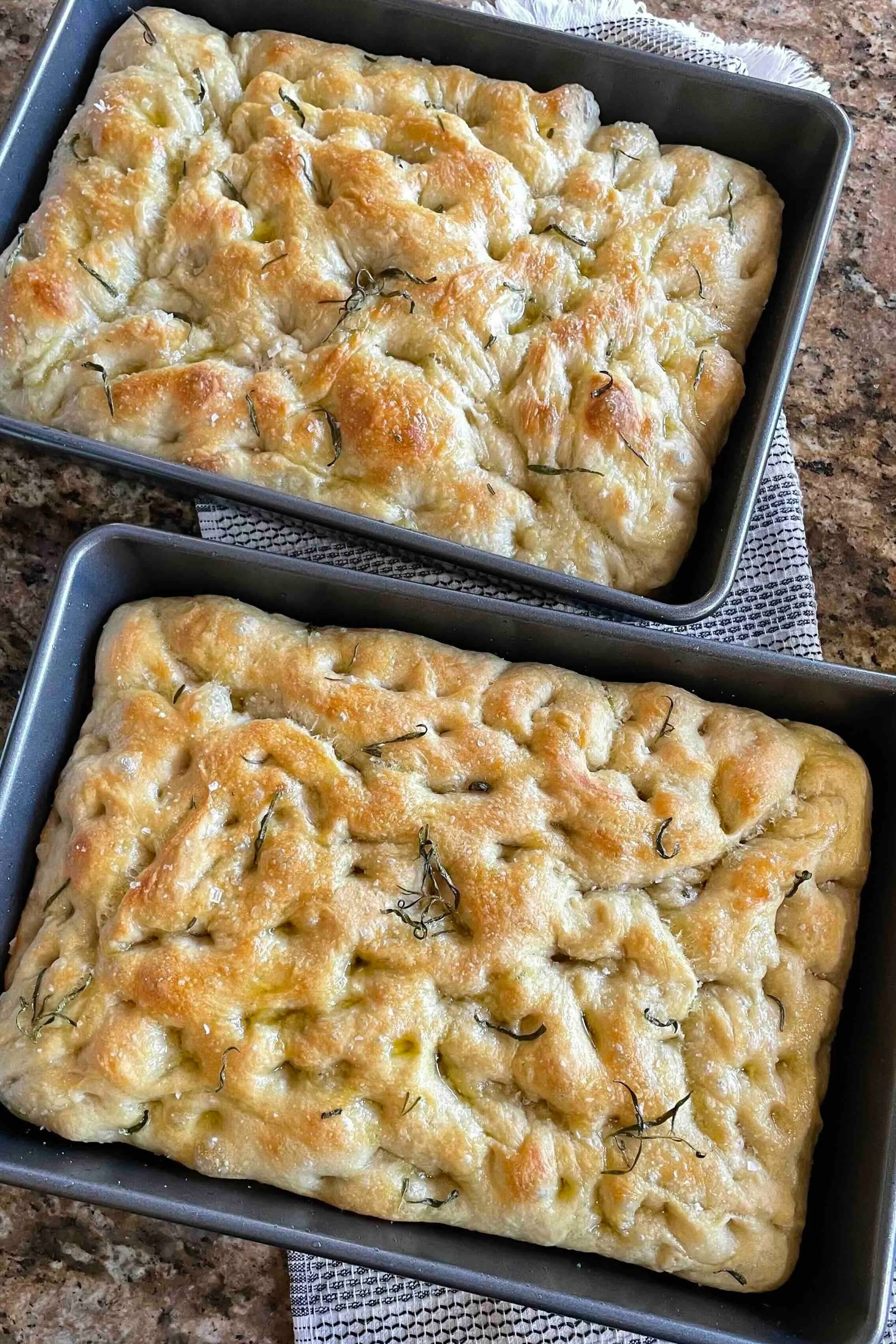
One of the things I’ve learned about myself while creating and growing Ambyr Things is that I don’t particularly enjoy recipes, or projects, that stretch into the next day. I’m the girl who wakes up with a vision and, most times, wants to see it executed before bed. So, when I wanted to learn how to make probably my favorite bread, focaccia, learning of the usual 2-day timeframe felt like a setback.
In the past, I’ve been spoiled because my husband shouldered the entire process like a champ. And judging by how disappointed I’d feel when he wasn’t able to make it, I knew I needed a recipe of my own — something I could wake the house up to on a slow Sunday morning or bake for a friend in need of a warm reminder that they’re not alone. A true labour of love, minus the two-days of labour.
This recipe is exactly that. Meet your next bake: a perfectly golden, lightly crisp, beautifully oiled and salted rosemary focaccia you won’t be able to stop eating.
Want the complete collection of summer recipes and slow rituals?
Click here to download my complimentary Summer Lookbook
while you wait for your dough to rise.
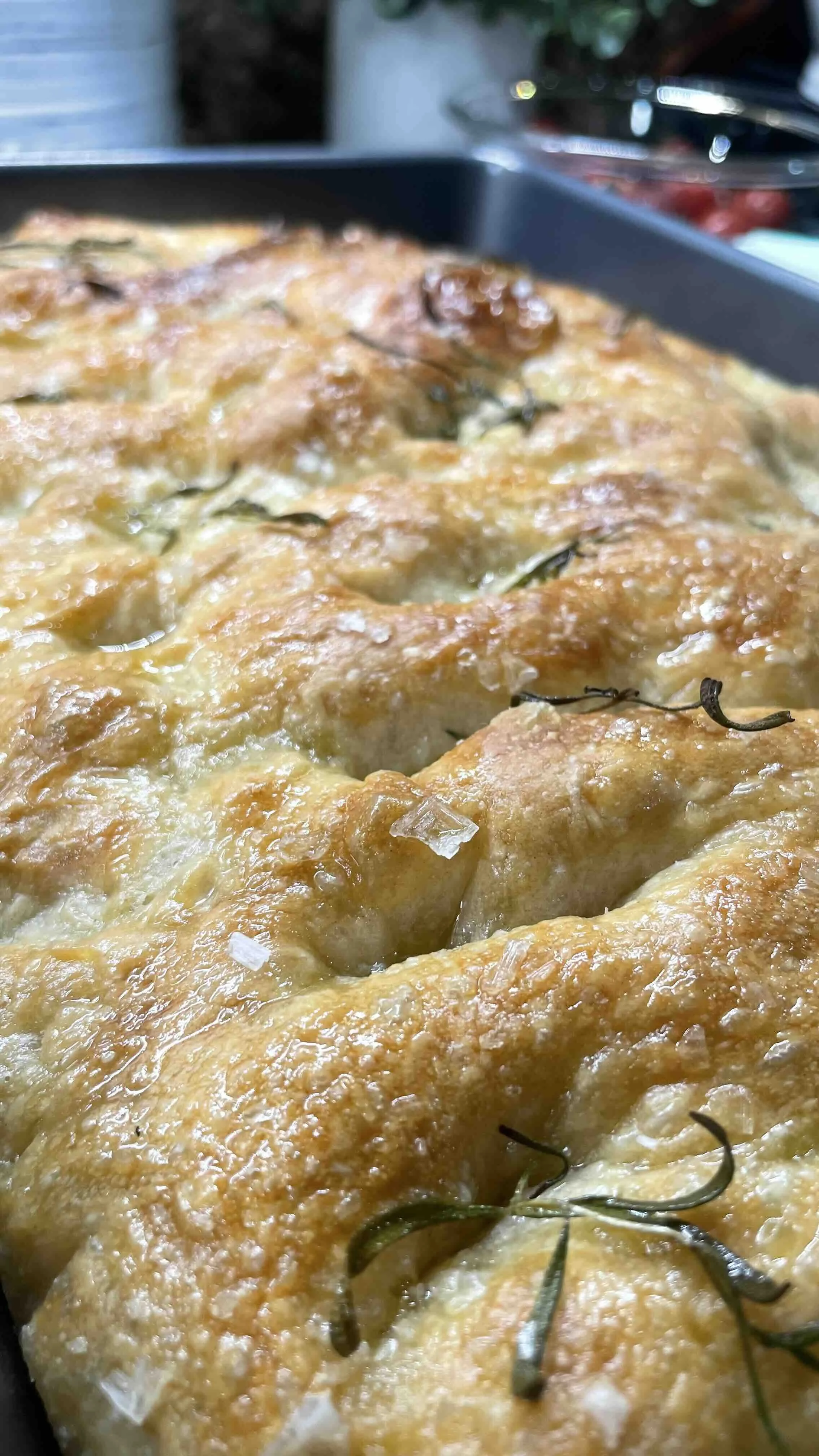
Makes: 1 (9 × 13-inch) focaccia, about 12-16 generous pieces
Prep Time: 20 minutes
Rise & Rest Time: About 7 hours
Cook Time: 20 minutes
Ready In: About 8-8½ hours
Ingredients
Dough
4 cups + 2 tablespoons bread flour (500g)
1¾ cups slightly warm water, plus up to 2 teaspoons if needed (420–430ml)
1½ teaspoons instant yeast
2 teaspoons honey
2 teaspoons fine sea salt
1 tablespoon extra virgin olive oil
For the Pan & Topping
3–4 tablespoons extra virgin olive oil, divided
2–3 sprigs fresh rosemary
Flaky sea salt
No bread flour?
No worries! 00 pizza flour is a great substitute. All-purpose flour works too, but expect a slightly softer, less chewy loaf.

Instructions
In a large mixing bowl, whisk together the warm water, honey, and instant yeast. Let stand for about 5 minutes, until slightly foamy.
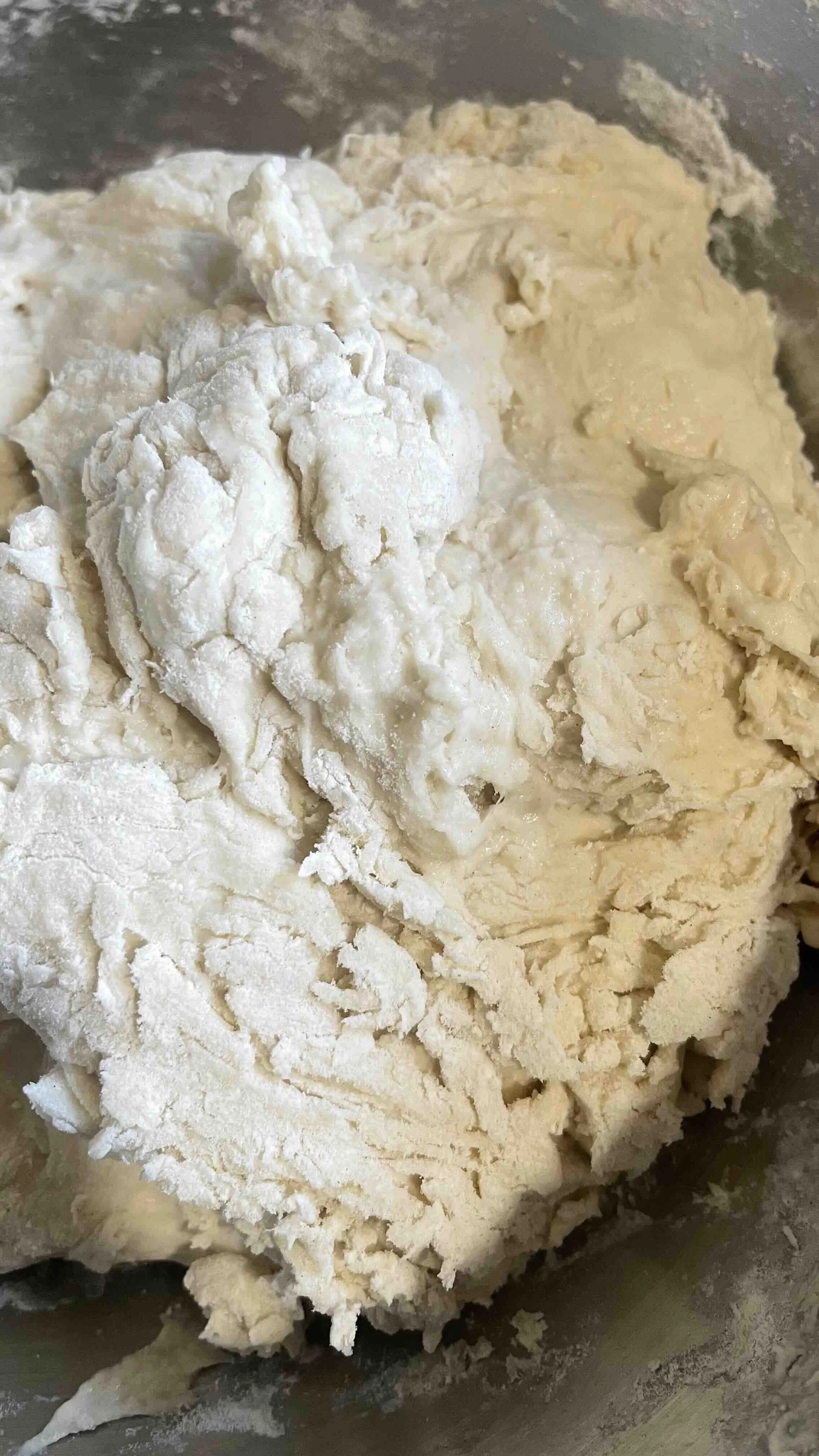
Add the bread flour and stir until no dry flour remains. Cover and let the dough rest for 20 minutes.
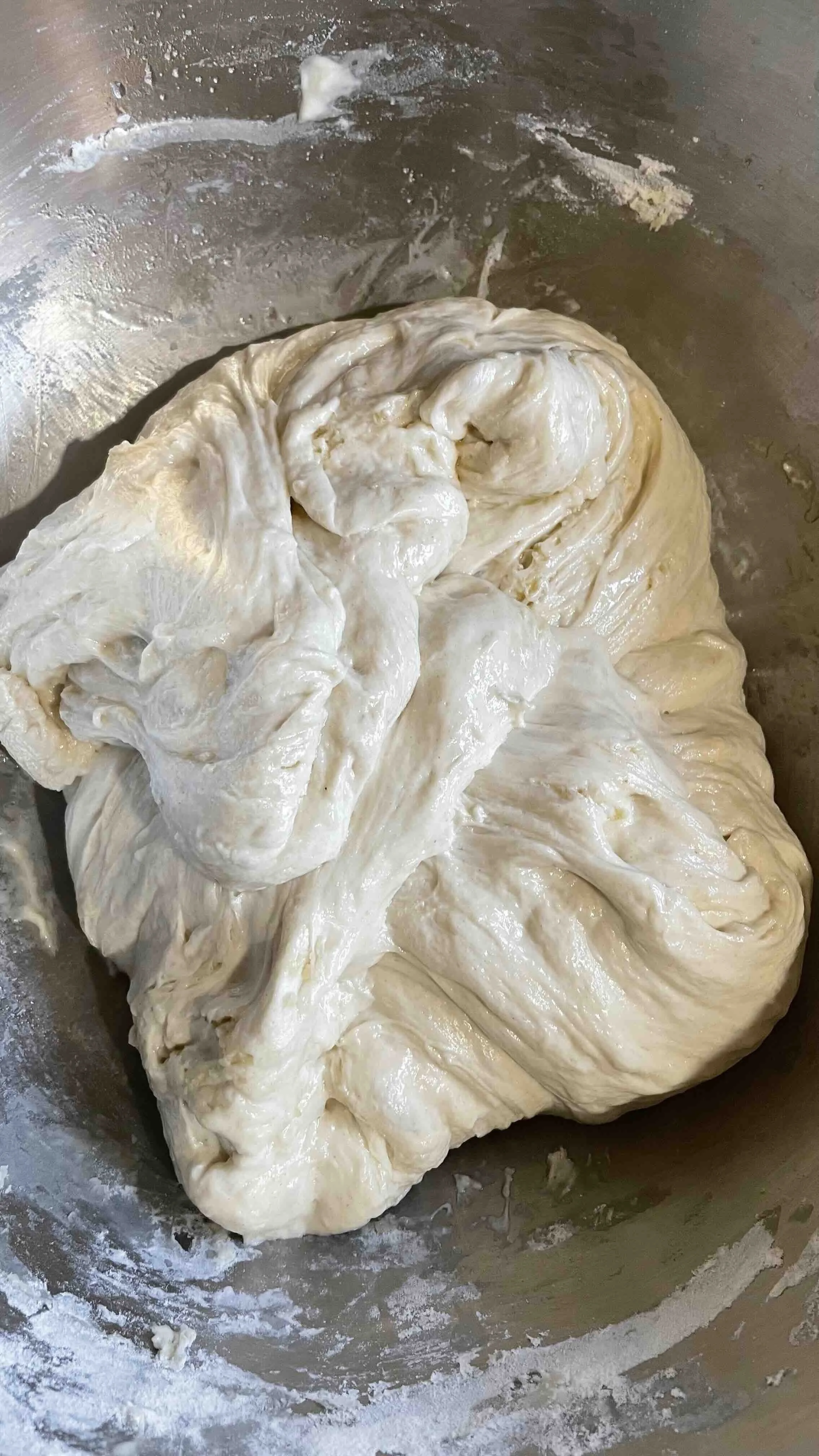
Sprinkle the salt over the dough, then add 1 tablespoon of olive oil. Mix until fully incorporated. The dough will be very wet and sticky—this is exactly what you want. Resist the urge to add more flour…I promise you don’t need it!
Cover and let the dough rest for 30 minutes.
Lightly wet your hands. Gently lift one side of the dough and fold it toward the opposite side of the bowl. Rotate the bowl and repeat on all four sides. This should take less than a minute.
Cover and let rest another 30 minutes, then repeat one more set of folds.
Cover and allow the dough to rise until doubled in size, about 1½–2 hours, depending on the warmth of your kitchen.
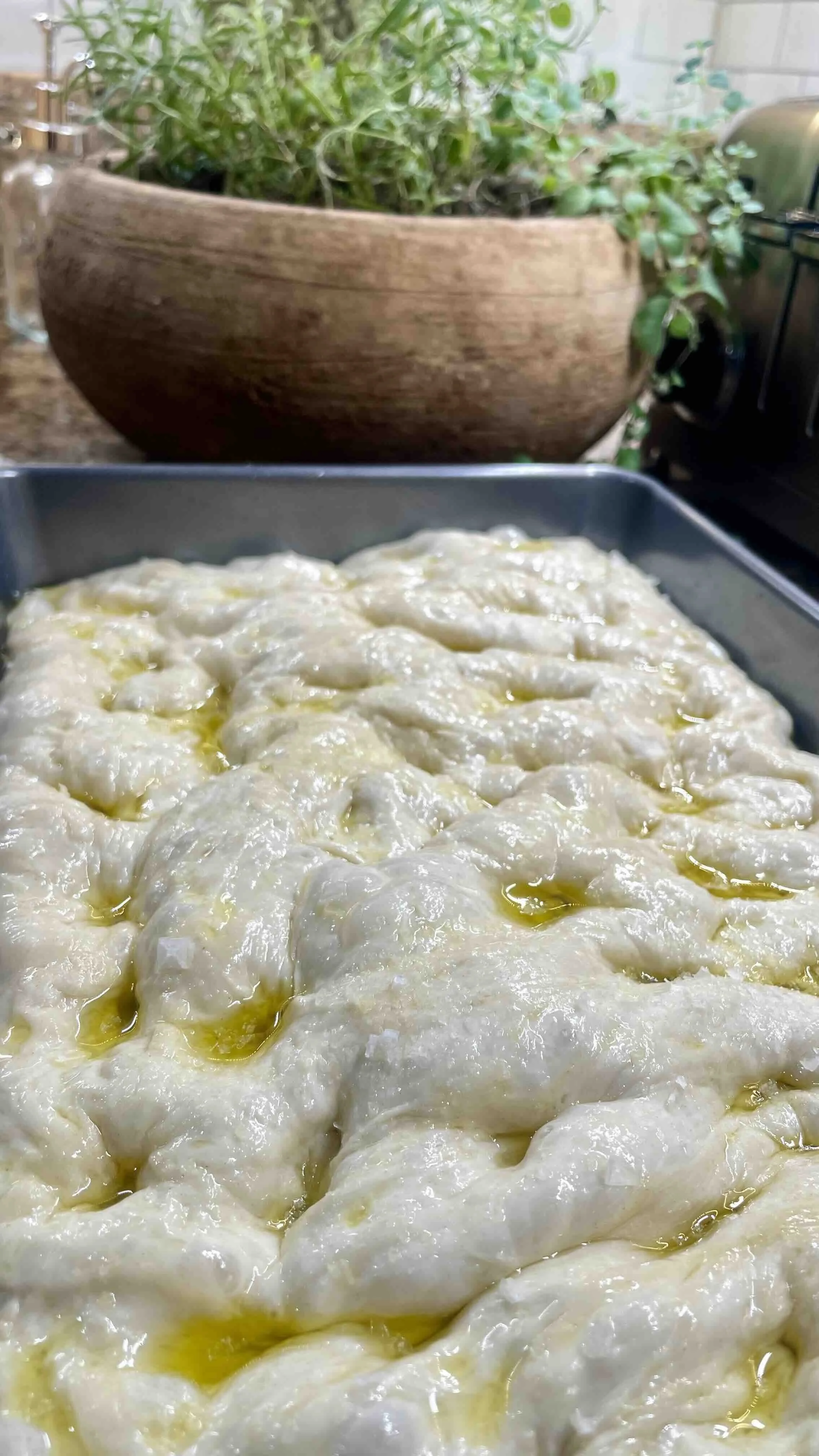
Generously coat a 9×13-inch metal baking pan with 3 tablespoons of olive oil.
With oiled fingers, turn the bowl upside down and gently coax the dough out and into the oiled pan. Ease the dough toward the edges without forcing it. Make sure both sides of the dough are oiled. Cover and let rise for another 45 minutes.
While you wait, preheat the oven to 425°F.
Drizzle the remaining olive oil over the dough. Using well-oiled fingertips, gently press dimples across the entire surface. Nestle the rosemary into the dimples and finish generously with flaky sea salt.
Bake for 20–24 minutes, or until the top is lightly golden and the edges are just beginning to deepen in color. The bread should look soft, not deeply browned.
Remove from the oven and immediately brush the top with a little extra olive oil. Sprinkle with another pinch of flaky sea salt.
Cool for 10 minutes before slicing. Serve warm.
Margin Notes
No kitchen scale? You’re in good company. This recipe was written with measuring cups first and gram measurements second, so you can confidently make it either way.
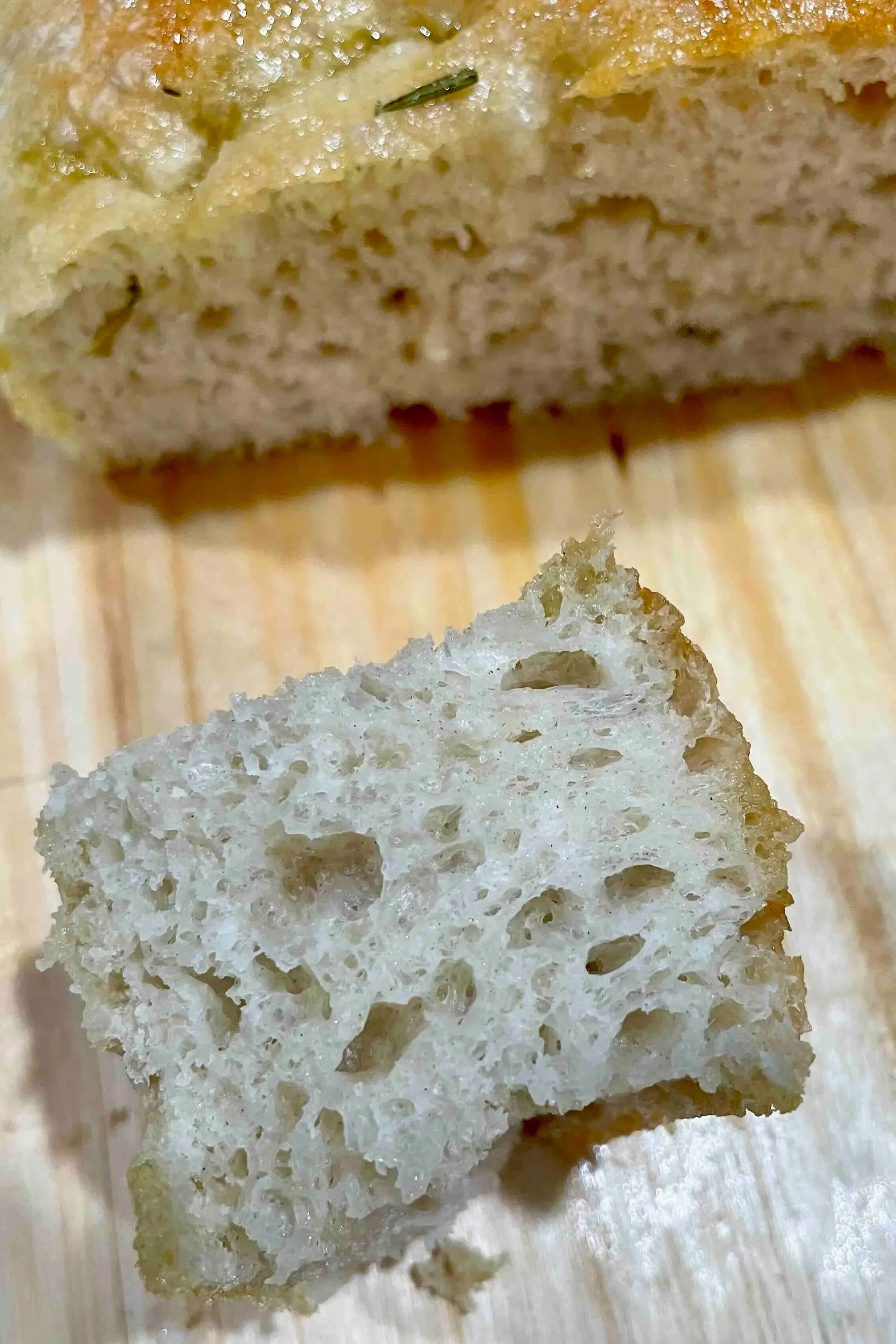
A sticky dough makes a lighter, fluffier focaccia. Don’t add extra flour unless the dough is completely unmanageable.
A metal baking pan creates the crispiest bottom crust.
Press the rosemary into the dimples to help keep it from burning.
This focaccia is intentionally baked until lightly golden for a softer crust and a tender, hydrated crumb.
Like most homemade bread, it’s at its absolute best the day it’s baked. To reheat, set the oven to 350°F and bake for 5–7 minutes or toast slices in a skillet with a drizzle of olive oil.
If you loved baking this, you’ll find a treasure trove of golden-hour desserts, farmers market finds, and everyday rituals in the full digital digest. Join our Sunday community below to receive your copy instantly.
With Love,
Ambyr
